
OPINION · English source edition
Amnesty's Morocco surveillance investigation raises questions about source protection, oversight and the evidence needed for an independent answer.
A person deciding whether to contact a journalist may be carrying information that matters to everyone else. The possibility that the conversation could expose them changes that decision. Surveillance accountability therefore concerns the public's ability to learn, as well as a reporter's right to privacy.
On 1 October, Amnesty International published an investigation alleging that Morocco's domestic intelligence service, the DGST, operated an extensive surveillance apparatus against journalists and activists. Amnesty says it combined whistleblower testimony with technical evidence, records and interviews. It attributes documented Pegasus abuses from 2017–2021 to the DGST. These are Amnesty's findings; United Africa Today has not independently examined the underlying devices or records.
Amnesty says Moroccan authorities, which had previously denied Pegasus abuse, did not answer its pre-publication request. That describes the organisation's account of its own request, not proof that no subsequent response exists. Selection of a phone number as a potential target must also be distinguished from evidence of successful infection.
Those distinctions strengthen an accountability story. They prevent a serious allegation from becoming an accusation broader than the evidence supports. They also leave room for a meaningful response: an authority should be able to identify what it contests, provide supporting material and explain which independent body can examine it.
Our view is that an investigation should protect confidential sources while testing the allegations. It should not require potentially affected people to publish their contacts, messages or personal histories to prove that privacy matters. Sensitive records can be examined through a process designed to limit further exposure.
Several questions deserve precise answers. What legal authority governed the alleged surveillance? Who approved it? What records document procurement and use? What remedies are available if unlawful surveillance is established? These are questions for an independent inquiry, not conclusions that this article can supply.
Technology suppliers also belong in that inquiry. A present-day statement about contracts cannot, on its own, settle what happened years earlier. Corporate changes and divestments make dates important. Investigators should seek records that connect the relevant product, organisation and period, rather than treating a company's current structure as the whole historical answer.
There is a public cost when these questions remain unresolved. If people believe approaching a journalist may endanger them, potentially important accounts may never reach an editor. That is a risk we infer from the nature of confidential reporting; this perspective does not measure how many Moroccan sources have been deterred.
Readers should therefore demand both rigour and restraint. An allegation deserves examination because its consequences may be serious. Seriousness does not remove the need to verify it. An independent process should publish its remit, identify conflicts of interest and explain what it can and cannot establish.
For our publication, the responsibility is immediate: do not invite readers to place sensitive evidence in a public comment thread. A discussion can examine oversight without exposing a person who may already be vulnerable. We should also correct and update this story when a substantive response or independently tested finding becomes available.
A useful public answer should identify the responsible institution, explain what evidence supports its position and give a date for the next update. Readers should be able to distinguish a promise from a completed action. When a question remains unresolved, the record should keep it visible rather than allowing a new headline to make it disappear.
Discussion: What would make an inquiry into surveillance credible to both people alleging abuse and the authorities disputing it?
Reporting limit: This is an opinion on a published investigation, not a new forensic investigation or a finding of criminal liability. No direct right-of-reply exchange was conducted by this publication.
Archive photograph and credit
Image URL · Rights record · CC0 1.0.
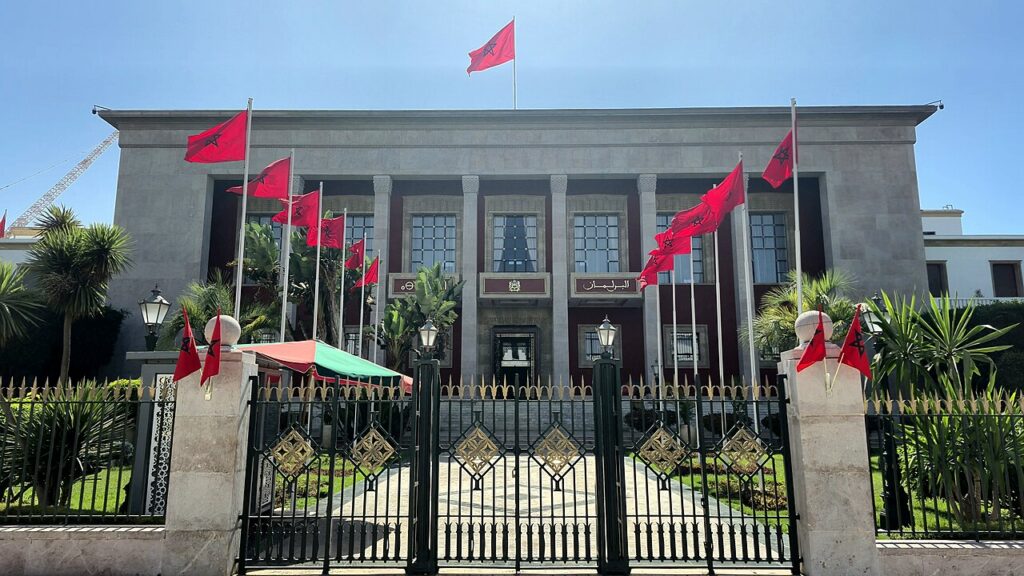
Caption: Morocco's parliament building in Rabat, photographed on 8 August 2025. Archive illustration of public institutions; the photograph is not evidence of surveillance and does not depict a location identified in the investigation. Photograph: Taha ahh/Wikimedia Commons, CC0 1.0.
Sources
Amnesty International, 1 October 2026 — whistleblower and Morocco surveillance investigation.
Amnesty International, 1 October 2026 — full report landing page, MDE 29/1447/2026.


Join the conversation